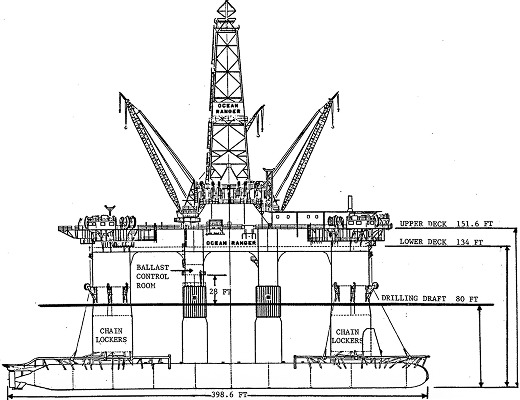
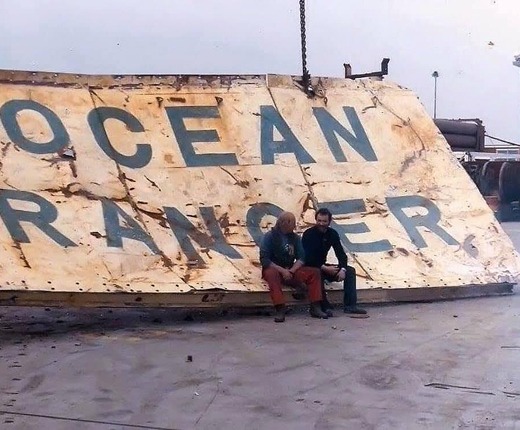
Designed and built by Offshore Drilling and Exploration Company (ODECO), the Ocean Ranger was a Mobile Offshore Drilling Unit (MODU) that was once the largest semi-submersible, self-propelled offshore drilling rig in the world and was considered a marvel of offshore technology.
Built in 1972, it measured 121 metres (396 ft) long, 80 metres (262 ft) wide, and stood 103 metres (337) high with a drilling depth capacity of 1,500 feet. It had twelve 20,000 kg (45,000-pound) anchors and weighed 25,000 tons. It was floating on two 120 metre (400 ft) long pontoons that rested 24 metres (79 ft) below the surface. The suggested normal number of crew was around 80-85, but it could accommodate up to 100 persons.
The Ocean Ranger was designed to operate in harsh offshore environments and to withstand severe weather. The semi-submersible design was an efficient way of placing the drilling deck, crew accommodations, and the helicopter pad high above the water and waves. The impressive dimensions and design created a dangerous perception that the Ocean Ranger was unsinkable.
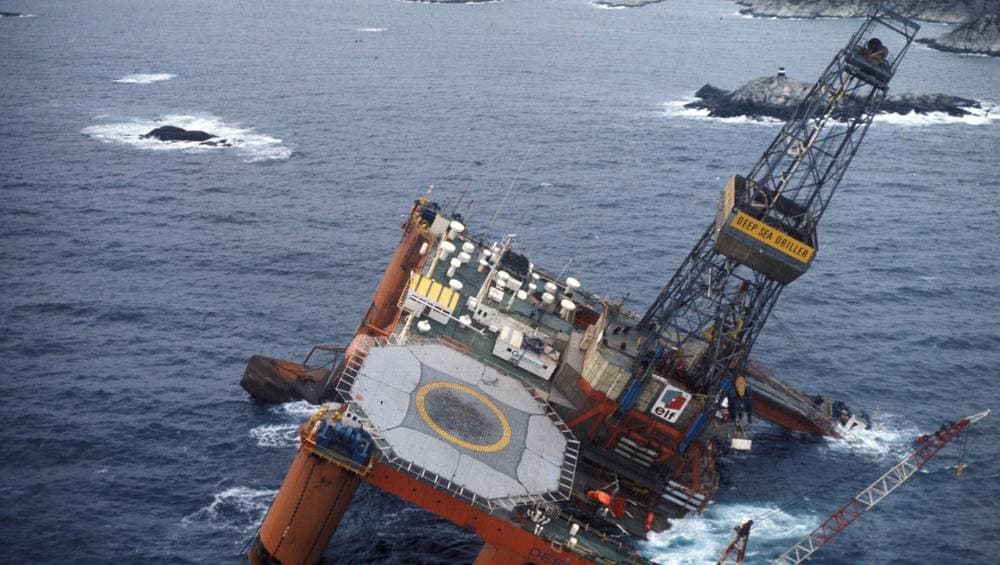
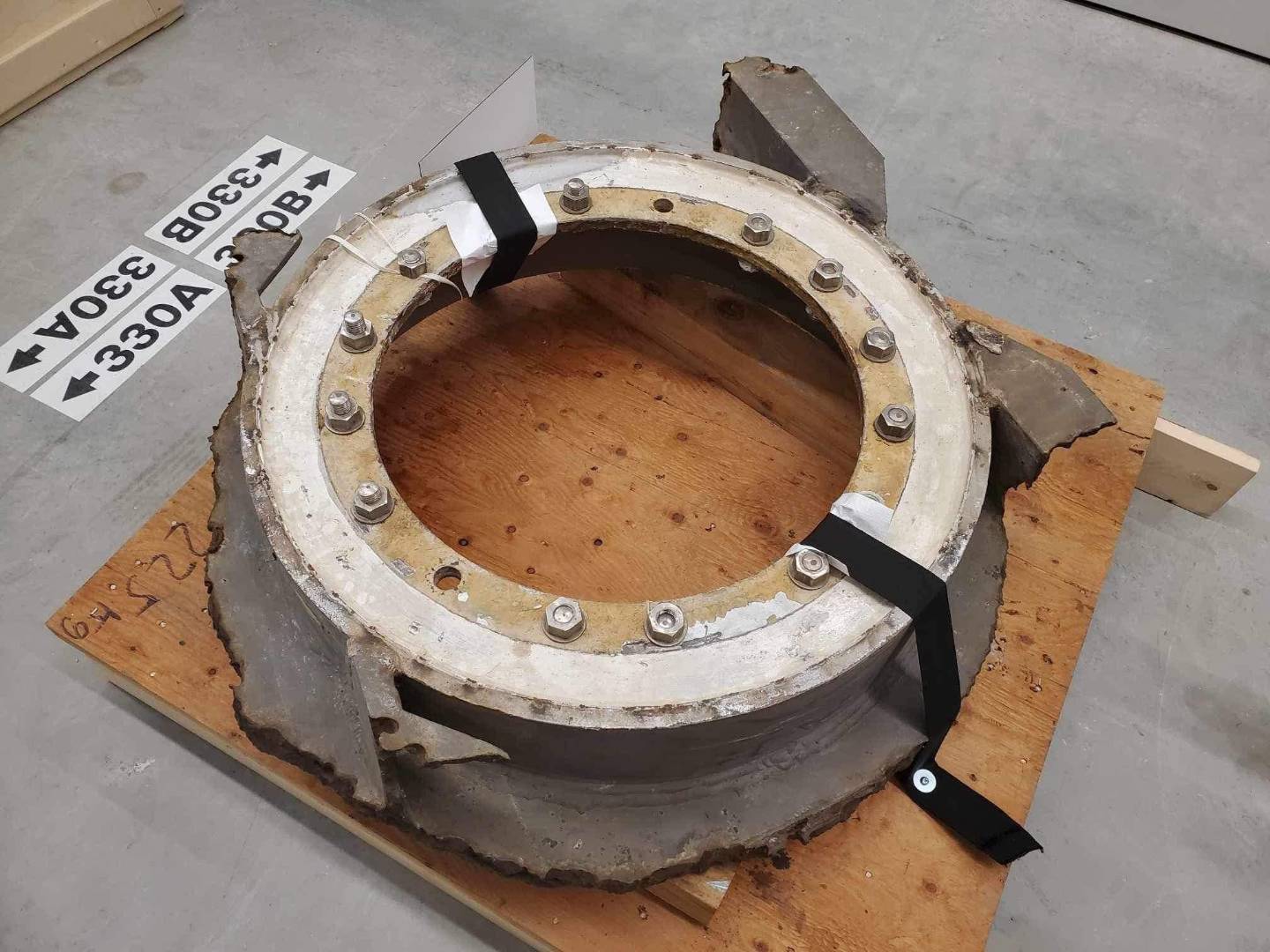
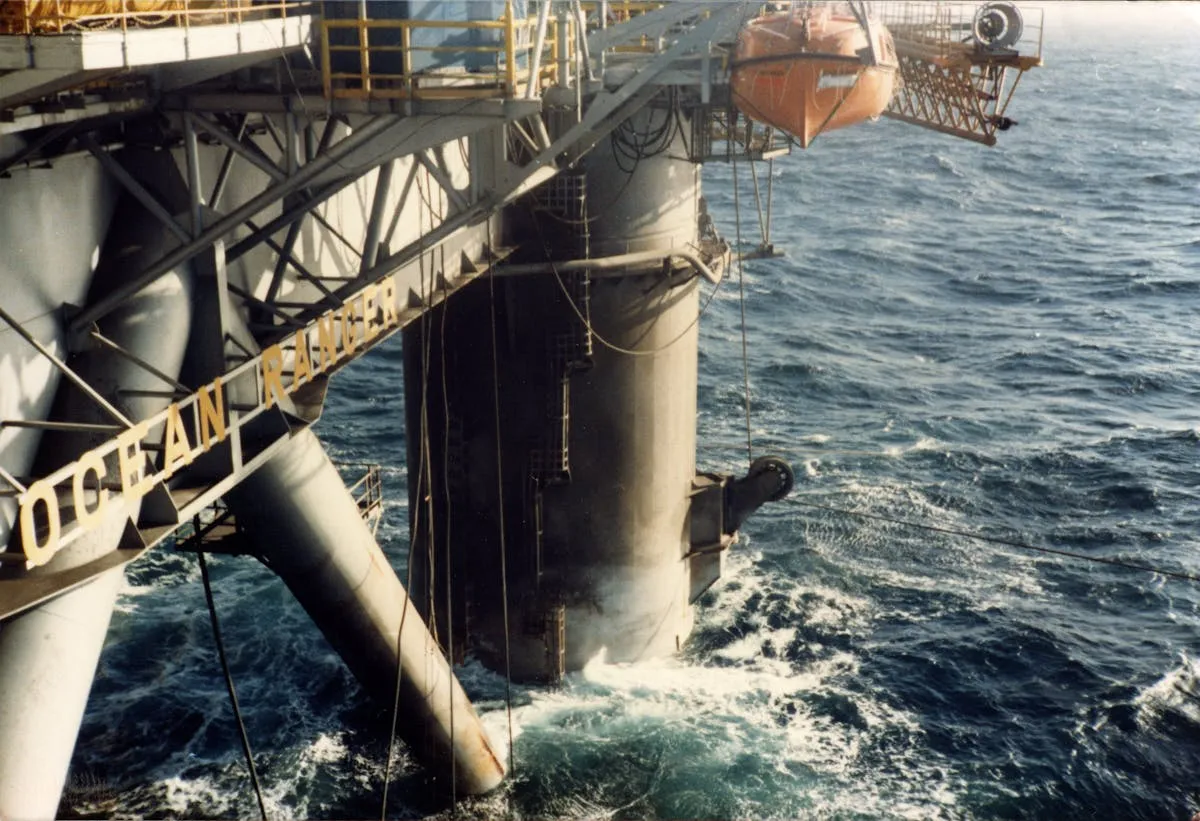
The events surrounding the Ocean Ranger disaster unfolded under extreme conditions, revealing vulnerabilities that were not fully understood at the time. What began as a routine operation quickly escalated into a crisis.
A series of failures, combined with environmental forces, created a situation that overwhelmed the crew’s ability to respond effectively. Communication, training, and system limitations all played a role.
The impact was immediate and far-reaching, affecting families, communities, and the entire offshore industry. It marked a turning point in how safety and risk were approached.
In the years that followed, important lessons emerged. These lessons continue to guide improvements in safety standards, training, and awareness, reinforcing the responsibility to protect those who work offshore.
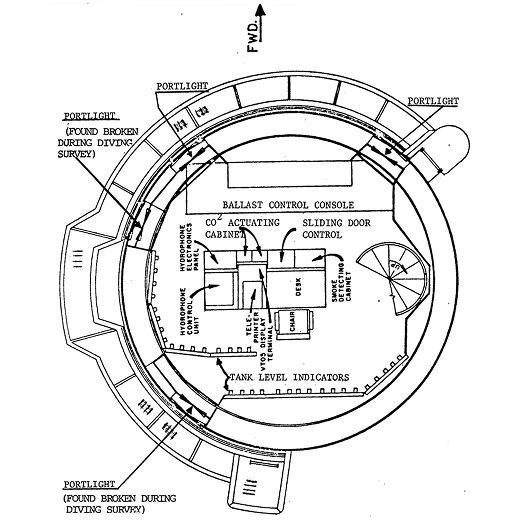
This timeline traces the critical hours of the Ocean Ranger disaster, highlighting the sequence of events that unfolded and the conditions faced, while reinforcing the importance of awareness, preparedness, and offshore safety.
In the hours following the loss of the Ocean Ranger, emergency response efforts were launched under extremely difficult conditions. Nearby vessels were dispatched, and helicopters were mobilized, but severe weather and limited rescue capabilities made operations challenging.
Rescue crews faced high winds, rough seas, and freezing temperatures, which significantly reduced the chances of survival. Although some lifeboats were launched, attempts to recover crew members were largely unsuccessful due to the harsh environment.
The tragedy quickly drew national and international attention, as families and communities waited for news. In the days that followed, recovery efforts continued, and the scale of the loss became fully understood.
THE INQUIRY & KEY FINDINGS
In response to the disaster, a Royal Commission was established to investigate the causes and circumstances surrounding the loss of the Ocean Ranger. The inquiry examined technical systems, crew training, and operational procedures.
The findings identified a series of contributing factors, including design vulnerabilities, equipment failures, and a lack of clear training for emergency situations. Communication challenges and limited preparedness also played a role.
These conclusions highlighted the need for stronger safety standards, improved system design, and better training for offshore workers, leading to important changes across the industry.
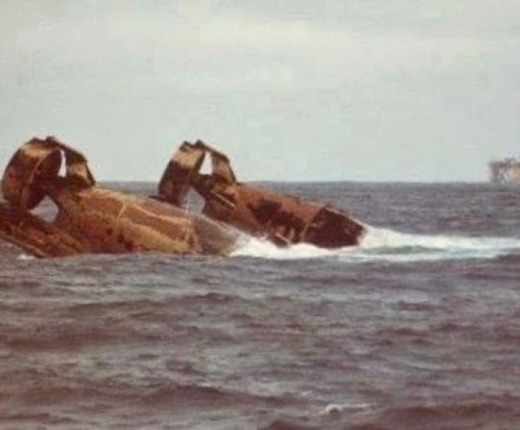
The Ocean Ranger disaster reinforced the importance of proper training and clear emergency procedures. Workers must be fully prepared to respond quickly and effectively in complex and high risk situations.
It also showed the need for reliable equipment and systems that can function under extreme conditions. Design improvements and regular inspections are essential to maintaining safety offshore.
Clear communication and strong safety protocols are critical in preventing confusion during emergencies. Every worker must understand their role and have access to the right information.
Ongoing education and awareness remain essential. The lessons learned continue to guide improvements in offshore safety and help protect those working in challenging environments.
IMPACT ON ENGINEERING AND SAFETY REGULATIONS
The disaster led to significant changes in engineering standards and offshore safety regulations. Control systems were redesigned to better withstand flooding, and new safety requirements were introduced across the industry.
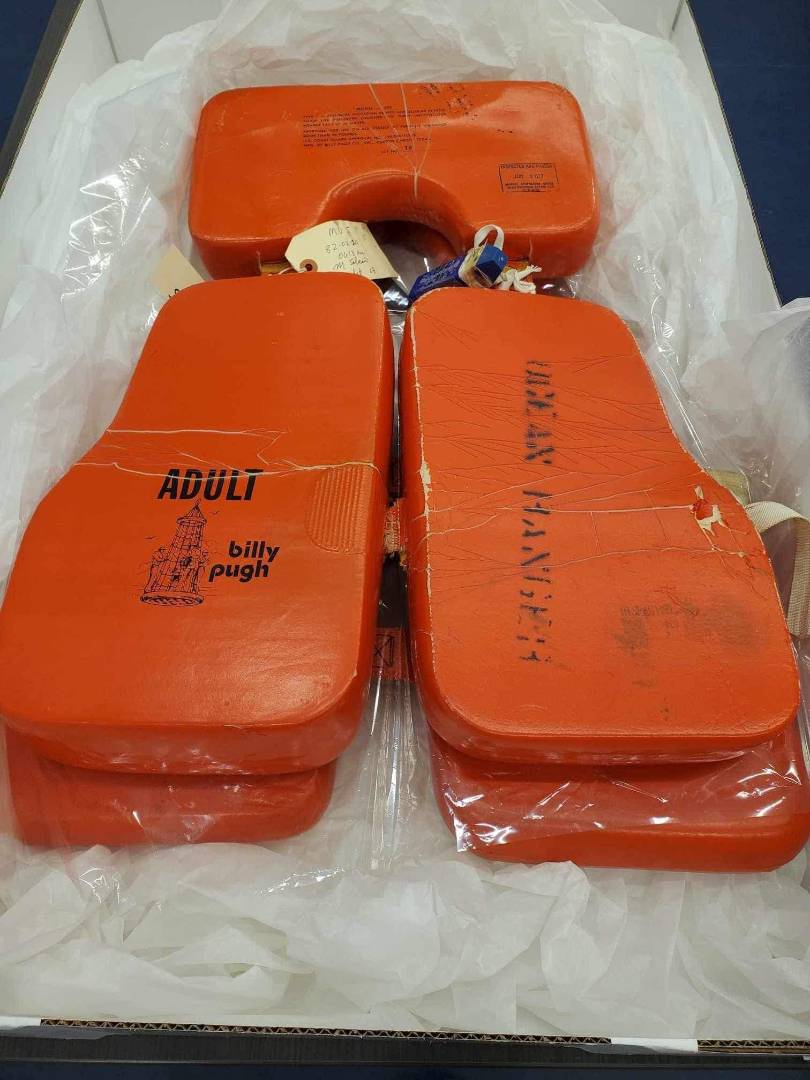
Improvements included stronger lifeboats, enhanced survival equipment, and more reliable communication systems. Training programs were also expanded to ensure workers are better prepared for emergency situations.
Regulatory oversight was strengthened, with stricter inspections and enforcement measures put in place. These changes have helped create a safer and more accountable offshore environment.
Today, the legacy of these improvements continues. Ongoing investment in research, technology, and safety practices ensures that the lessons of the Ocean Ranger remain relevant and impactful.
Explore more stories, artifacts, and memories that keep this legacy alive.
